

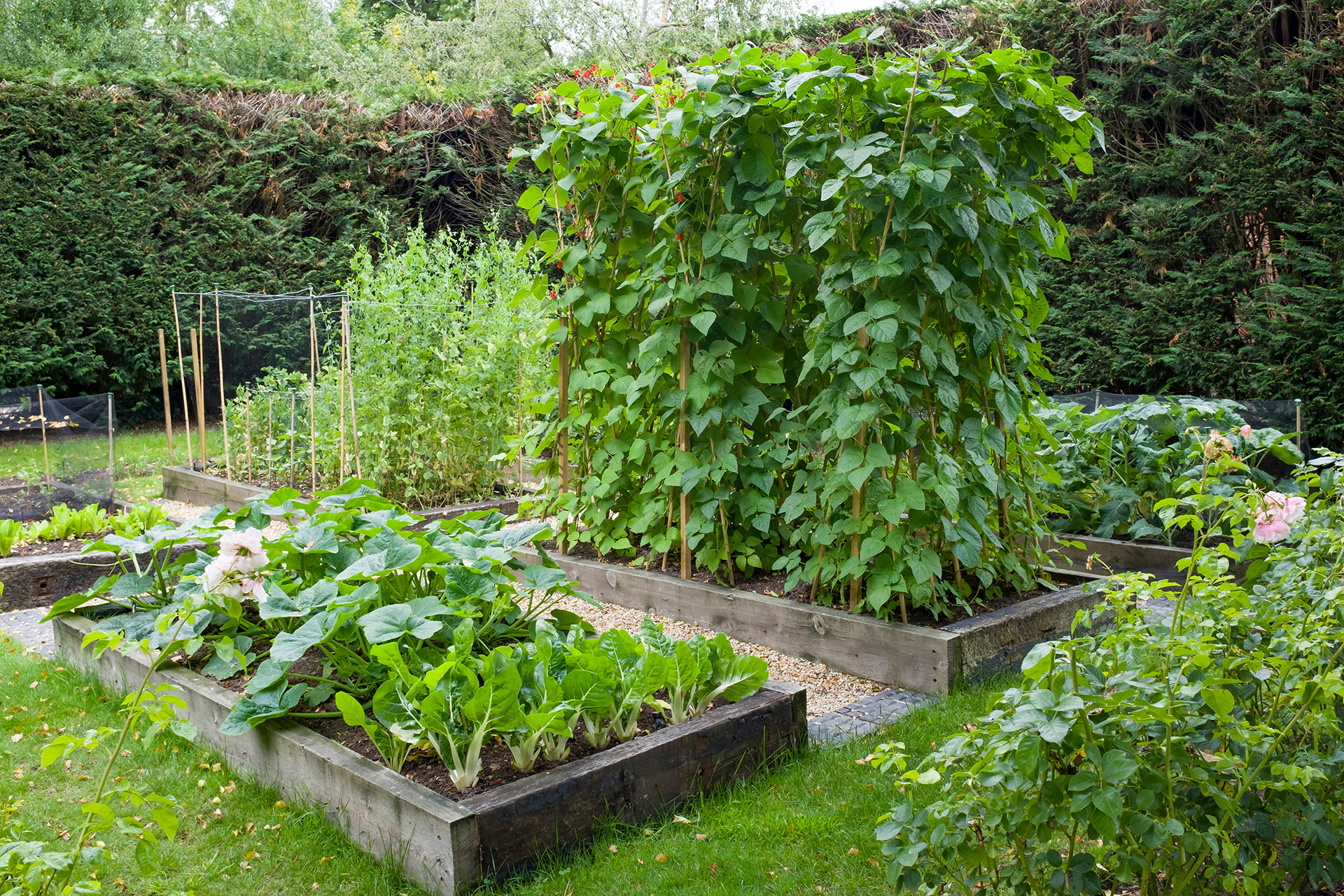
Foodscaping: Creating an edible garden
With grocery prices on the rise and the existence of food deserts limiting access to fresh fruits and vegetables, many people are looking for easy, economical ways to feed themselves and their families healthy, fresh produce. One way to accomplish this is through ‘foodscaping’, or adding an edible garden.
What is ‘Foodscaping’?
Foodscaping is a fun word that describes incorporating edible plants into your current garden and landscape. There is no need to rip out flowers or shrubs and you don’t need a great deal of space to start an edible garden. Incorporating fruits, vegetables and herbs in an existing flowerbed is one simple way to grow fresh produce for yourself and your family while saving money. Who could not use a few extra dollars in their pocket? Including a few edible plants among those aesthetic plants adds visual interest to the yard and creates more biodiversity in your existing garden. Probably one of the biggest benefits is the peace of mind knowing there is a supply of fresh, pesticide-free produce right outside your door.
Adding edibles to your existing landscape
Creating a sustainable food environment in an existing flowerbed allows one to eat seasonally. Planting food according to each season yields produce at its peak freshness when it is the most delicious, while providing the nutrition the body needs throughout the year. For example, tomato season lasts from late spring (May/June) to early fall (October). Tomatoes contain lycopene, a powerful antioxidant that protects the skin from sun damage and because of the water content in a tomato, it combats dehydration during the hot summer days. Citrus fruit season lasts from fall into early spring (roughly November to April). Citrus fruit contains the powerhouse of antioxidants, vitamin C, necessary to give your immune system a boost to get through cold and flu season. Herbs are a tasty and low maintenance way to add edible plants to your garden as well as your creations in the kitchen. Fresh herbs, like basil, cilantro, parsley that thrive during the spring and summer months, offer nutritional benefits and enhance flavors of vegetables grown during that season. While herbs like rosemary, sage and thyme will bring out the flavors of squash and root vegetables grown during the fall and winter months. If it grows together, it goes together in the garden and on your plate.
Foodscaping also helps maintain a beautiful garden all year-round. Vegetables are annual crops that die every year. When planted by themselves, it is noticeable when they dry up at the end of their growing season. If they are planted with ornamentals in an existing bed, it is less noticeable when the plants reach the end of their lifecycle, subsequently leaving the garden looking visually pleasing between plantings.
Be creative when choosing a place to plant your edibles; you have more space available than you may realize. Spread a few seeds in between rows of flowers and shrubs, add a couple of edible plant seedlings to coordinate with your existing flowers to make an award-worthy garden sure to become the envy of the neighborhood.
What plants to choose
When choosing which edible plants to incorporate, there are a few considerations to keep in mind. The goal is to create biodiversity for a successful harvest. Companion planting is growing different plants next to each other to create a mutually beneficial environment for things like pest control, improving soil conditions and maximizing space while adding pizzazz to the garden. Planting flowers like marigolds, black-eyed Susan’s or nasturtiums protect tomatoes and beans from pests. Add borage near strawberries or sage and plant lavender to deter pests from cabbage or broccoli. It is also important to pick edibles with the same water and soil requirements as the existing plants.
With a little bit of research, foodscaping can be incredibly beneficial to your health, pocketbook and your existing landscape. Feeding yourself and family produce you grew gives you a sense of pride and an appreciation for the farmers who grow food professionally and provide for communities across the country. You will gain a connection to the food that nourishes you, plus it gives you a reason to get outside and touch grass, which improves mental and physical health. When the newly planted vegetables and herbs are ready for harvest, it’s time to share with your neighbors, family and friends. With so many benefits, it is time to get out there and start growing. Become a foodscaping superstar!
Here are a few resources to get you started:
“Edible Landscaping: Now You Can Have Your Gorgeous Garden and Eat It Too!” by Rosalind Creasy
“Foodscaping: Practical and Innovative Ways to Create an Edible Landscape” by Charlie Nardozzi


0 comments