

Indoor Plants Improve Air Quality
As winter’s shorter days and cooler temperatures force us indoors to stay warm, the house can feel ‘stuffy’ and there is nothing worse than being forced to spend countless hours inside a house with stale air. More importantly are the adverse effects poor quality air indoors can have on you and your family’s health. With little or no fresh air coming in and running heaters all winter, it is no wonder that we suffer breathing problems, congestion and headaches during these colder months.
By definition, indoor air pollution is chemical, biological and physical contamination of indoor air and may result in adverse health effects. This contamination can include pollutants from tobacco smoke, mold, allergens, bacteria, viruses, radon, formaldehyde, asbestos, mercury and volatile organic compounds (VOCs).
How do we clean up the air in our homes?
Some of these pollutants can be avoided by making simple life changes like not smoking indoors or switching to natural, chemical-free cleaning products. Other toxins, like mold or asbestos require a professional to be properly removed. For the average home, houseplants are best to filter the air; not only producing Oxygen from CO2, but also absorbing benzene, formaldehyde and/or trichloroethylene. Plants are actually pretty incredible air filters. If plants are good enough for NASA to use to filter the air in space, then they will certainly work in your home.
Some of our favorite indoor plants to clean the air in South Louisiana are:
Aloe: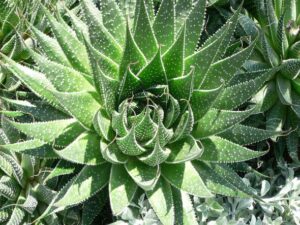
This sun-loving succulent grows well outdoors in warmer months, but can do very well indoors in a pot with indirect sun exposure. Aloe is best for cleansing the air of formaldehyde and benzene, both by-products of chemical based cleaning products. Easy to care for since it prefers dry, sandy soil, aloe makes a beautiful green addition to any sunny kitchen window since the gel inside the aloe leaf is a natural remedy for cuts and burns.
English Ivy: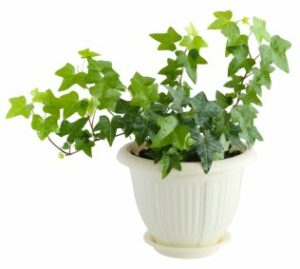
Also known as Hedera helix, studies have shown English Ivy can clean airborne fecal matter from the air, in addition to formaldehydes released from synthetic carpets and chemical-based cleaners. This hearty vine likes to climb in small spaces and can tolerate a room with low light. This plant prefers evenly watered, loose soil and cooler nights, around 60 degrees Fahrenheit. Also, this plant can be poisonous if eaten by pets or small children so beware of where you place this rich green little vine.
Golden Pothos (also known as Devil’s Ivy):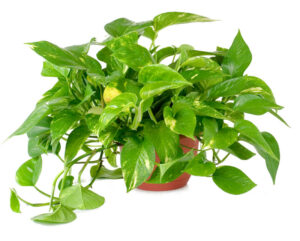
This plant is a serious formaldehyde tackler! It is also great for those of you with a less-than-green thumb since it can grow with little care. This plant is sometimes referred to as the Devil’s Ivy since it can stay green in little or no light, although, the leaves will lose some of their variegation in low light. This plant looks great in hanging baskets or on a high shelf while its green, heart-shaped leaves cascade over the edge of the pot. Soil should be allowed to dry out between watering as overwatering will cause leaves to turn yellow and fall off. Consider this plant for the office as well since it can thrive in fluorescent lights.
Peace Lily: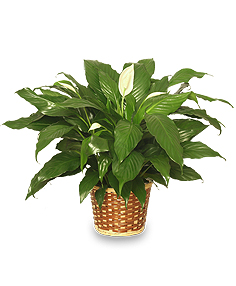
These easy-to-grow flowering houseplants add a touch of zen to any room with dark green leaves and white flowers. Typically, the peace lily will grow to about 16 inches, but have been known to get as big as 6 feet with flowers blooming in early summer. This plant will surely bring peace to your family’s health since it topped NASA’s list for eliminating all three of most common VOCs — formaldehyde, benzene and trichloroethylene. One note, if your lily is not flowering, consider moving it to a darker room.
Rubber Plant: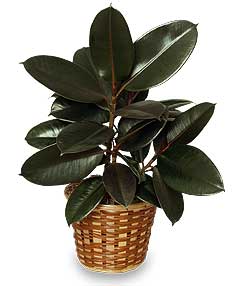
This mammoth plant/tree can grow up to 50 feet tall outdoors and loves bright filtered light, making it a wonderfully green addition to a room with lots of morning sun exposure. The Ficus Elastica, removes formaldehyde that seeps into the air from cleaning products, synthetic carpet fibers, glues/adhesives used on wood paneling and flooring. When considering a Rubber Plant for indoors, it is best to start with a immature plant that will grow inside rather than a mature plant that has already acclimated to growing outside. Beware of where you place these since rubber plants can be poisonous when eaten by pets or small children.
Not only will the addition of these plants help keep your family healthy by filtering the air as we spend the rest of the winter inside, but adding a little piece of nature to a room is a sure fire way to chase away the winter blues!


0 comments